Aluminum Foundry offers customized aluminum casting services
Wiki Article
Exploring the Numerous Uses and Applications of Aluminum Foundry in Modern Industries
Aluminum factories are indispensable to a broad variety of contemporary markets. They produce light-weight and resilient elements that considerably boost efficiency and performance. From automobile components to aerospace structures, the applications are varied and essential. As markets deal with increasing demands for innovation and sustainability, the function of Aluminum factories remains to evolve. This produces intriguing developments and challenges that merit further expedition.The Duty of Aluminum Foundry in the Automotive Market
As the automobile industry increasingly focuses on weight decrease and fuel efficiency, Aluminum foundries have actually arised as important contributors to vehicle production. These factories create lightweight Aluminum components that aid makers adhere to strict fuel economic situation criteria and minimize greenhouse gas discharges. The flexibility of Aluminum permits the creation of intricate forms and designs, which enhances both capability and visual charm in lorries.Cast Aluminum components, such as engine blocks, transmission cases, and wheels, provide significant toughness while preserving a lower overall weight contrasted to conventional materials. On top of that, Aluminum's resistance to rust extends the lifespan of auto parts, driving down maintenance costs for customers.
As electrical cars gain popularity, Aluminum factories play an important duty in creating batteries and structural parts that support the shift to sustainable mobility. On the whole, the combination of Aluminum spreading in vehicle production highlights the material's relevance beforehand modern lorry style and efficiency.
Aerospace Applications of Aluminum Castings
Light-weight Architectural Parts
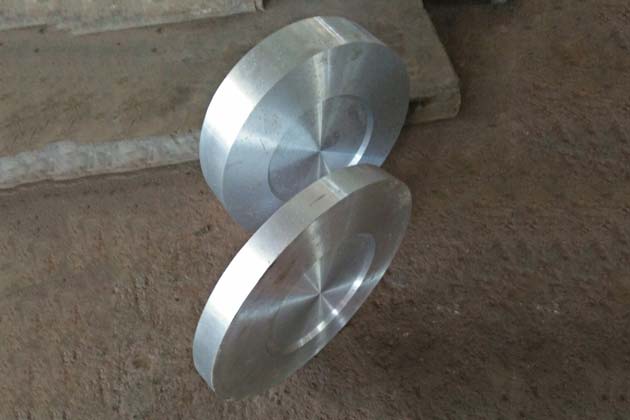
The aerospace market significantly relies upon lightweight architectural elements to enhance fuel effectiveness and total efficiency. Aluminum spreadings play a vital role in achieving this objective, as they offer a beneficial strength-to-weight ratio, making them perfect for various aerospace applications. These components, such as airplane structures, engine components, and landing gear, add to minimized general weight, which directly translates to reduce fuel intake and exhausts. On top of that, the longevity and rust resistance of Aluminum assurance long-lasting efficiency under demanding conditions. As suppliers look for to optimize their layouts, Aluminum spreadings offer a versatile remedy, allowing the creation of parts that satisfy strict safety and integrity requirements. This concentrate on light-weight materials is basic for advancing the future of aviation modern technology.Complicated Geometric Layouts
Just how can complex geometric designs improve the performance and capability of aerospace elements? In the aerospace sector, elaborate Aluminum spreadings enable for the creation of light-weight yet robust parts, optimizing architectural stability and aerodynamic efficiency. These styles enable the combination of various attributes, such as cooling networks and strengthened locations, which conventional production methods may not attain. By using advanced spreading methods, aerospace designers can create components that adjust precisely to the called for specs, minimizing product use while optimizing toughness. Additionally, the capacity to produce complex forms lowers the need for assembly, simplifying production processes and enhancing reliability. Generally, intricate geometric layouts play a vital function in satisfying the requiring efficiency standards crucial for modern aerospace applications.Deterioration Resistance Characteristics
In aerospace applications, the performance of elements is noticeably affected by their resistance to deterioration. Aluminum spreadings are preferred for their phenomenal deterioration resistance, which is essential for components exposed to harsh environments, such as high-altitude flights and varying weather. The all-natural oxide layer developed on Aluminum surface areas offers a protective barrier that considerably reduces corrosion prices. In addition, making use of alloying components like silicon and magnesium improves this property, making Aluminum spreadings specifically ideal for airplane structures and engine components. The light-weight nature of Aluminum, paired with its rust resistance, contributes to enhanced fuel efficiency and long life of airplane. These attributes highlight the vital function of Aluminum Foundry beforehand aerospace modern technologies and making sure the security and reliability of aeronautics systems.
Enhancing Durable Goods With Aluminum Foundry Solutions
Aluminum Foundry remedies noticeably enhance customer products by enabling light-weight product layouts that enhance use and mobility. In addition, the fundamental corrosion resistance of Aluminum lengthens the life expectancy of these items, making them much more enticing to consumers. Cost-effective manufacturing remedies even more ensure that firms can deliver high-grade items without jeopardizing on price.Lightweight Product Layout
A growing number of durable goods producers are transforming to Aluminum Foundry remedies to enhance their product layouts via lightweight materials. By making use of Aluminum, these suppliers can produce products that are not just lighter yet also keep toughness and sturdiness. This change in the direction of lightweight product style permits boosted use and efficiency, accommodating consumer demands for easy-to-handle and portable products. Furthermore, Aluminum's adaptability promotes intricate designs and modern looks, appealing to consumers who value both functionality and design. The fostering of Aluminum Foundry strategies makes it possible for firms to introduce and distinguish their offerings in a competitive industry, ultimately leading to increased customer satisfaction and loyalty. This fad highlights the critical duty of product choice in contemporary product development strategies.Corrosion Resistance Conveniences
While several products are prone to rust, Aluminum stands out due to its all-natural resistance, making it an excellent option for enhancing consumer items. This innate residential property of Aluminum enables products to keep their visual appeal and architectural stability over time, also in difficult environments. For example, products such as kitchenware, exterior furniture, and automotive parts benefit greatly from Aluminum's capacity to withstand deterioration. Coatings and therapies can further improve this characteristic, making certain durability and durability. Producers can generate trusted, low-maintenance products that fulfill consumer demands for top quality and efficiency. Therefore, Aluminum Foundry services play a necessary function in cultivating development throughout various industries by giving corrosion-resistant options that elevate the requirement of customer goods.Affordable Production Solutions
Changing the landscape of production, Aluminum Foundry solutions provide a cost-efficient approach to creating top notch consumer goods. These techniques allow manufacturers to produce elaborate styles while minimizing product waste, therefore lowering overall production costs. The lightweight nature of Aluminum enhances the effectiveness of transport and handling, further reducing costs. Furthermore, the longevity of Aluminum guarantees that ended up items keep their honesty with time, reducing the need for regular replacements. Industries ranging from automobile to electronics take advantage of the versatility of Aluminum Foundry processes, enabling cutting-edge layouts that satisfy consumer demands without compromising on top quality. By leveraging these remedies, makers can stay competitive in an ever-evolving market, ultimately boosting item charm and consumer satisfaction.Aluminum Foundry Innovations in Construction
As the building industry looks for to improve efficiency and sustainability, technologies in Aluminum Foundry applications are ending up being increasingly substantial. The lightweight nature of Aluminum, incorporated with its stamina and corrosion resistance, is changing standard construction approaches. Advanced casting strategies enable the creation of complicated shapes and styles that were previously unattainable. This not just decreases product waste yet also decreases transportation prices because of the lighter weight Aluminum Foundry of frameworks.
Additionally, the integration of Aluminum elements in modular construction is getting traction. Upreared Aluminum components streamline setting up procedures on-site, leading to much shorter project timelines. Furthermore, the recyclability of Aluminum sustains sustainable structure techniques, aligning with worldwide goals for minimized ecological impact.
Advancements such as 3D printing of Aluminum and improved alloys further expand the material's applications, supplying engineers and engineers with greater flexibility in design and functionality. On the whole, these advancements position Aluminum Foundry processes as essential in contemporary building and construction.
The Impact of Aluminum Casting on Electronics Production
Aluminum spreading plays an important function in electronics producing, especially because of its positive homes such as thermal conductivity and lightweight nature. These qualities make Aluminum a suitable selection for different digital elements, including heat sinks, enclosures, and structural components. The capacity to successfully dissipate warm is crucial in electronic devices, as it helps maintain optimum efficiency and extends component life-span.Aluminum's light-weight nature adds to the general reduction in tool weight, which is significantly crucial in portable electronic devices. The spreading process allows for specific measurements and elaborate layouts, promoting the manufacturing of complex forms that satisfy the stringent needs of contemporary technology.
In addition, Aluminum's rust resistance enhances the longevity of digital products, making them ideal for diverse settings. In general, Aluminum spreading significantly enhances the efficiency, efficiency, and durability of electronic gadgets, solidifying its relevance in the ever-evolving electronics making landscape.
Sustainable Practices in Aluminum Foundry Procedures
Executing lasting methods in Aluminum Foundry procedures is ending up being significantly essential as sectors seek to lessen their environmental effect. Shops are adopting energy-efficient innovations, such as advanced melting and spreading procedures that decrease power intake. Additionally, using recycled Aluminum greatly reduces the carbon impact connected with main Aluminum manufacturing.Water preservation strategies are also crucial, with many factories applying closed-loop water systems to reduce waste and boost effectiveness. Better, the adoption of environment-friendly products and coverings minimizes dangerous discharges throughout spreading.
Furthermore, waste monitoring practices, consisting of the recycling of scrap steel and the correct disposal of unsafe materials, are vital to guaranteeing a sustainable operation. By integrating these techniques, Aluminum foundries can not just follow ecological regulations however likewise improve their competitiveness in a market progressively focused on sustainability (Aluminum Foundry). These initiatives demonstrate a dedication to both ecological stewardship and operational effectiveness
Future Trends in Aluminum Foundry Technology
While the Aluminum Foundry sector remains to progress, a number of essential trends are arising that pledge to reshape its future. One significant fad is the boosting adoption of advanced automation and robotics, which boost performance and precision in casting processes. This change enables foundries to reduce labor prices while enhancing production top quality. On top of that, the integration of expert system and device learning is expected to maximize operations by predicting upkeep needs and simplifying process.An additional crucial trend is the focus on sustainability, with foundries significantly embracing environmentally friendly techniques, such as recycling Aluminum scrap and making use of sustainable power sources. In addition, the advancement of light-weight Aluminum alloys is acquiring grip, particularly in the vehicle and aerospace markets, where weight reduction is important for performance and fuel performance. As the industry accepts these innovations, the Aluminum Foundry industry is positioned for a more lasting and innovative future.
Often Asked Concerns
What Are the Ecological Impacts of Aluminum Foundry Workflow?
The ecological impacts of Aluminum Foundry operations consist of air contamination from discharges, water contamination from drainage, and energy usage. These variables contribute to ecological deterioration and posture health dangers to bordering ecosystems and neighborhoods.Just How Does Aluminum Casting Contrast to Various Other Steel Casting Techniques?
Aluminum casting deals benefits such as reduced weight and deterioration resistance compared to other approaches like steel or iron casting. Furthermore, it enables elaborate layouts, boosting functionality while minimizing material waste in manufacturing procedures.What Precaution Are Carried Out in Aluminum Foundries?
Safety and security measures in Aluminum foundries include personal protective equipment, proper ventilation, fire safety and security methods, routine devices upkeep, worker training on risks, and adherence to regulative standards to lessen threats connected with heats and liquified steel.What Is the Cost-Effectiveness of Aluminum Foundry Solutions?
The cost-effectiveness of Aluminum Foundry solutions is significant, as they offer light-weight materials, reduced power intake, and lower production costs. These variables add to enhanced efficiency and profitability in various making sectors.Just How Can Tiny Organizations Make Use Of Aluminum Foundry Solutions?
Small companies can use Aluminum Foundry solutions by contracting out manufacturing for custom-made components, decreasing production expenses, and leveraging reduced quantity requirements. This allows them to innovate quickly and complete efficiently without hefty preliminary investments in tools.As the vehicle industry increasingly prioritizes weight decrease and fuel effectiveness, Aluminum shops have arised as crucial factors to car manufacturing. Aluminum Foundry solutions noticeably enhance consumer items by allowing lightweight item layouts that improve functionality and transportability. A growing number of consumer items manufacturers are transforming to Aluminum Foundry solutions to improve their item layouts through lightweight products. As the building and construction industry seeks to boost performance and sustainability, developments in Aluminum Foundry applications are coming to be significantly significant. By integrating these methods, Aluminum shops can not just comply with environmental policies however additionally boost their competitiveness in a market progressively concentrated on sustainability.
Report this wiki page